





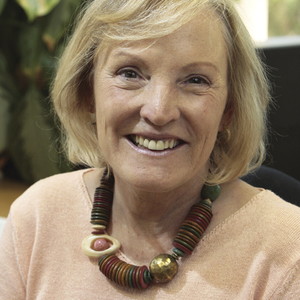
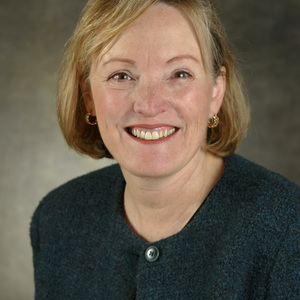
Shelley E. Taylor
Dr. Shelley E. Taylor received her Ph.D. in psychology from Yale University. After a visiting professorship at Yale and assistant and associate professorships at Harvard University, she joined the faculty of UCLA in 1979. Her research interests, which are detailed below, include the psychological and social origins and moderators of biological responses to stress. Professor Taylor is the recipient of a number of awards, most notably election to the National Academy of Sciences, the Institute of Medicine, and the American Academy of Arts and Sciences. She received the American Psychological Association’s Distinguished Scientific Contribution to Psychology Award, the William James Fellow Award of the Association of Psychological Science, the Donald Campbell Award in Social Psychology, a 10-year Research Scientist Development Award from the National Institutes of Health, the Outstanding Scientific Contribution Award in Health Psychology, and the Lifetime Achievement Award from the American Psychological Association. She is the author of more than 350 publications in journals and books and is the author of Social Cognition, Positive Illusions, The Tending Instinct, and Health Psychology.
Socioemotional Resources/Positive Illusions
Socioemotional resources, including optimism, mastery, self-esteem, and social support, have biological and psychological benefits, especially in times of stress. Our research program of the last twenty-five years has explored these resources and documented their many benefits, and, as such, attests to the powerful ability of the human mind to construe threatening events in ways that are protective of health.
In recent years, we have shown that these socioemotional resources can retard the progress of diseases and/or delay the onset of conditions prognostic for chronic illness. The underlying mechanisms appear to depend, at least in part, on the fact that people with strong socioemotional resources have reduced neural, autonomic, neuroendocrine, and immune responses to stress. The cumulative damage to stress regulatory systems that might otherwise occur, then, is lessened, as people deploy their resources.
Under some circumstances, socioemotional resources can assume the form of "positive illusions." That is, people often have overly positive self perceptions, an illusion of personal control, and unrealistic optimism about the future. Moreover, just as socioemotional resources more generally are protective of health, so these illusory beliefs have been found to be largely beneficial as well and associated with criteria indicative of mental and physical health: positive self-regard, the ability to care for and about other people, the capacity for creative and productive work, the ability to manage and grow from stressful life experiences, and reduced biological (cardiovascular, HPA axis) responses to threatening events.
Our current work explores the genetic, early environmental, and neurocognitive origins of these resources in conjunction with their beneficial consequences. Specifically, we examine genes related to serotonergic and opioid functioning; childhood socioeconomic status and early family environment as indicators of childhood environment; and neural mechanisms (ACC, amygdala, hypothalamus, prefrontal cortex) that link socioemotional resources to low psychological and biological stress responses (cardiovascular, HPA axis, and pro-inflammatory cytokines). As such, our current work integrates perspectives from genetics, psychoneuroimmunology, health psychology, and social neuroscience.
Tend and Befriend
In threatening times, people seek positive social relationships, because such contacts provide protection to maintain one’s own safety and that of one’s offspring. This tend-and-befriend account of social responses to stress is the theoretical basis for our work. Until recently, the biosocial mechanisms underlying human affiliative responses to stress remained largely unknown. Our research suggests that oxytocin and endogenous opioid peptides are implicated in these responses, especially in women. Our current research assesses whether oxytocin acts roughly as a social thermostat that is responsive to the adequacy of social resources, that prompts affiliative behavior if those resources fall below an adequate level, and that reduces biological and psychological stress responses, once positive social contacts are reestablished. Recently, we found that vasopressin (AVP), a hormone closely related to oxytocin, similarly acts as a barometer of close relationship quality in men.
Early Nurturance/Risky Families
Early nurturant experience is believed to help shape children's responses to stress, conferring the ability to respond to stress with good coping skills and low biological reactivity. Correspondingly, a conflict-ridden, neglectful, or harsh family environment in childhood has been linked to a heightened risk of mental and physical health disorders in adulthood. Our research documents these relations and explores the mechanisms underlying them. Pursuing a model of the social, affective, and physiological pathways that may help to explain these links, we examine socioeconomic status (a contributor to chronic stress during childhood) as an input to family environment processes; assess family environment processes through questionnaires and/or interviews; and examine social relationships, chronic positive or negative emotional states, and alterations in biological stress regulatory systems as mediators of the impact of a nurturant or "risky" early family environment on mental and physical health outcomes. Our recent work has related this model to risk for metabolic syndrome, levels of C reactive protein, and the development of hypertension. We have also explored how early family environment can lead to dramatically different phenotypes underlying a common genotype, depending on how nurturant that environment is.
Culture and Social Support
Social support has long been known to promote psychological health and to protect against the adverse health effects of stress. Yet, in conceptualizing social support, researchers have inadvertently adopted a Western definition that emphasizes explicit efforts to extract or provide help or comfort (i.e., support transactions). Past research has suggested that Asians and Asian-Americans are significantly less likely than European-Americans to seek such explicit social support for coping with stress, because the harmony of their social relations may be disrupted by so doing. In our studies, we investigate implicit social support (which we define as drawing on the awareness and/or company of supportive others without explicitly requesting or receiving support vis-à-vis a specific stressful event) and explore cultural differences in the use of implicit and explicit social support for managing stress.
Vulnerability to Financial Fraud
Older adults are disproportionately vulnerable to a wide range of dubious financial schemes, although the reasons for their vulnerability are not clear. Our research uses experimental and neuroimaging methodologies to explore the social and neural bases of this vulnerability. Stay tuned.
Primary Interests:
- Close Relationships
- Culture and Ethnicity
- Emotion, Mood, Affect
- Evolution and Genetics
- Health Psychology
- Motivation, Goal Setting
- Neuroscience, Psychophysiology
- Self and Identity
- Social Cognition
Research Group or Laboratory:
Note from the Network: The holder of this profile has certified having all necessary rights, licenses, and authorization to post the files listed below. Visitors are welcome to copy or use any files for noncommercial or journalistic purposes provided they credit the profile holder and cite this page as the source.
Books:
- Fiske, S. T., & Taylor, S. E. (2021). Social cognition: From brains to culture (4th ed.). Thousand Oaks, CA: SAGE Publications.
- Peplau, L. A., & Taylor, S. E. (Eds.). (1997). Sociocultural perspectives in social psychology: Current readings. Englewood Cliffs, NJ: Prentice Hall.
- Taylor, S. E. (2011). Health psychology (8th ed.). New York: McGraw Hill.
- Taylor, S. E. (2002). The tending instinct: How nurturing is essential to who we are and how we live. New York: Holt.
- Taylor, S. E. (1989). Positive illusions: Creative self-deception and the healthy mind. New York: Basic Books.
- Taylor, S. E., Peplau, L. A., & Sears, D. O. (Eds.). (2006). Social psychology (12th ed.). Englewood Cliffs, NJ: Prentice Hall.
Journal Articles:
- Kim, H. S., Sherman, D. K., & Taylor, S. E. (2008). Culture and social support. American Psychologist, 63, 518-526.
- Lehman, B. J., Taylor, S. E., Kiefe, C. I., & Seeman, T. E. (2009). Relationship of early life stress and psychological functioning to blood pressure in the CARDIA Study. Health Psychology, 28, 338-346.
- Master, S. L., Amodio, D. M., Stanton, A. L., Yee, C. M., Hilmert, C. J., & Taylor, S. E. (2009). Neurobiological correlates of coping through emotional approach. Brain, Behavior, and Immunity, 23, 27-35.
- Master, S. L., Eisenberger, N. I., Taylor, S. E., Naliboff, B. D., Shirinyan, D., & Lieberman, M. D. (2009). A picture’s worth: Partner photographs reduce experimentally induced pain. Psychological Science, 20, 1316-1318.
- Moons, W. G., Eisenberger, N. I., & Taylor, S. E. (2010). Anger and fear responses to stress have different biological profiles. Brain, Behavior, and Immunity, 24, 215-219.
- Taylor, S. E., Burklund, L. J., Eisenberger, N. I., Lehman, B. J., Hilmert, C. J., & Lieberman, M. D. (2008). Neural bases of moderation of cortisol stress responses by psychosocial resources. Journal of Personality and Social Psychology, 95, 197-211.
- Taylor, S. E., Saphire-Bernstein, S., & Seeman, T. E. (2010). Are plasma oxytocin in women and plasma vasopressin in men biomarkers of distressed pair bond relationships? Psychological Science, 21, 3-7.
- Taylor, S. E., Seeman, T. E., Eisenberger, N. I., Kozanian, T. A., Moore, A. N., & Moons, W. G. (2010). Effects of a supportive or unsupportive audience on biological and psychological responses to stress. Journal of Personality and Social Psychology, 98, 47-56.
- Way, B. M., & Taylor, S. E. (2010). Social influences on health: Is serotonin a critical mediator? Psychosomatic Medicine, 72, 107-112.
- Way, B. M., & Taylor, S. E. (2010). The serotonin transporter promoter polymorphism (5-HTTLPR) is associated with cortisol response to psychosocial stress. Biological Psychiatry, 67, 487-492.
Courses Taught:
- Experimental Research Methods
- Social Psychology
Shelley E. Taylor
Department of Psychology
1285 Franz Hall, UCLA
Box 951563
Los Angeles, California 90095-1563
United States of America
- Phone: (310) 825-7648
- Fax: (310) 206-8940